
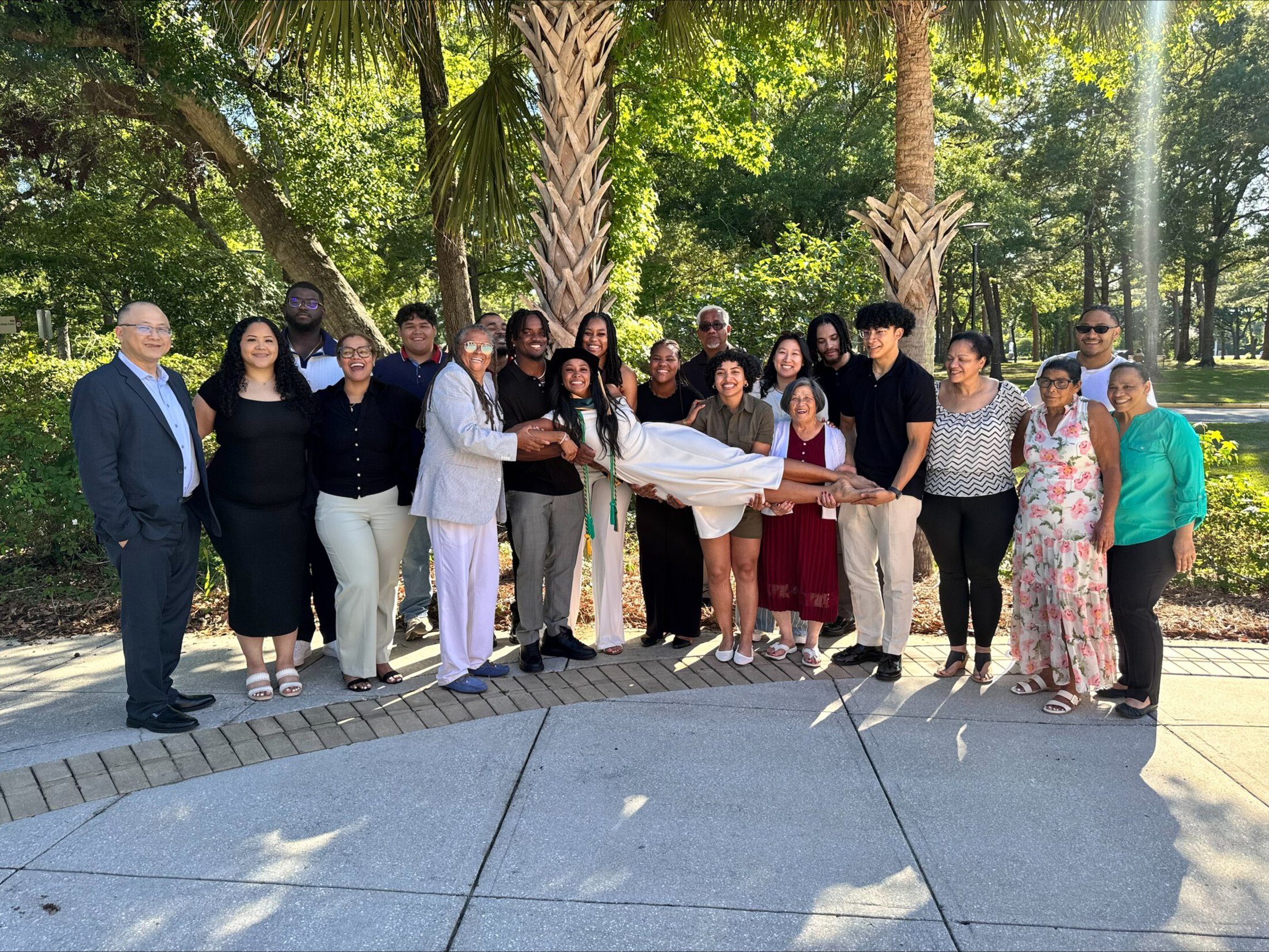
As the oldest daughter of seven siblings, Jamilex Tham-Morrobel, DPT, ’26, became a natural caregiver.
“This is why I’m in healthcare,” said Tham-Morrobel, a recent graduate of the MUSC College of Health Professions’ physical therapy program. “I’m used to making sure everyone’s OK and looking after everyone.”
Built-in support: family and finances
Having a big family means a built-in support system. But like many students pursuing careers in healthcare, she had to navigate the financial realities of earning an advanced degree.
Across MUSC’s six colleges, nearly 3,000 students demonstrate financial need as they prepare for careers in healthcare – making donor-funded scholarships an important investment in the next generation of providers.
Tham-Morrobel paid for her undergraduate education by playing basketball. She also shared that she worked three part-time jobs before beginning clinical rotations to help cover expenses.
While those jobs were related to her field of study – she was a caregiver for a woman with spinal fractures and a supplemental instructor for PT students in addition to being a server at a restaurant – working long hours makes it difficult to study.
“I had to sneak it in between classes sometimes,” she said.
A little goes a long way
Scholarships of all sizes can make a meaningful difference for students like Tham-Morrobel. She was awarded the Come Together Physical Therapy Scholarship, which helped cover important expenses beyond tuition – including the steps required to begin her career.
“Residency applications were not cheap,” Tham-Morrobel said. “Scholarships also helped me pay for my licensing exam.”
She also said that the scholarship helped her to feel more independent, since her family is eight hours away in Virginia.
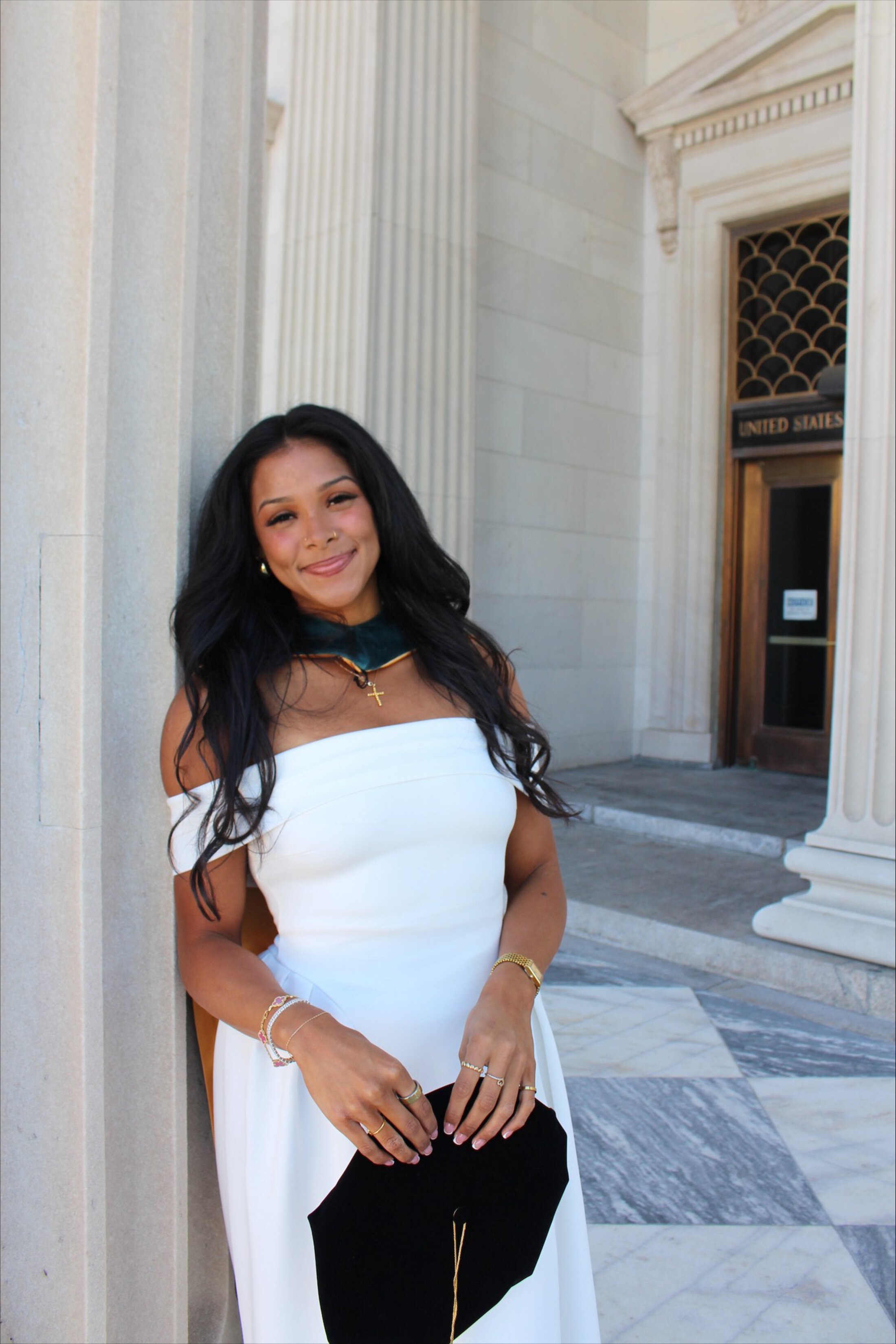
Following her passion for helping others through physical therapy
Scholarships made it feasible for her to continue her education with a residency to further her education. Having scholarship support helped give her the flexibility to pursue the path she felt passionate about, rather than making a decision based on finances alone.
She accepted a neurological physical therapy residency at Brooks Rehab in Jacksonville, Florida to learn more about helping patients with traumatic brain injuries, strokes, spinal cord injuries, Parkinson's disease, multiple sclerosis, and amputations.
“Medical management is essential, but it’s about going back to doing things that we all love doing or just gaining independence,” she said.
For Tham-Morrobel, donor support did more than ease financial stress. It helped her continue developing the skills she needs to give patients something invaluable: the ability to return to the lives they love.

Erica Rodefer
Recent Giving Impact stories