
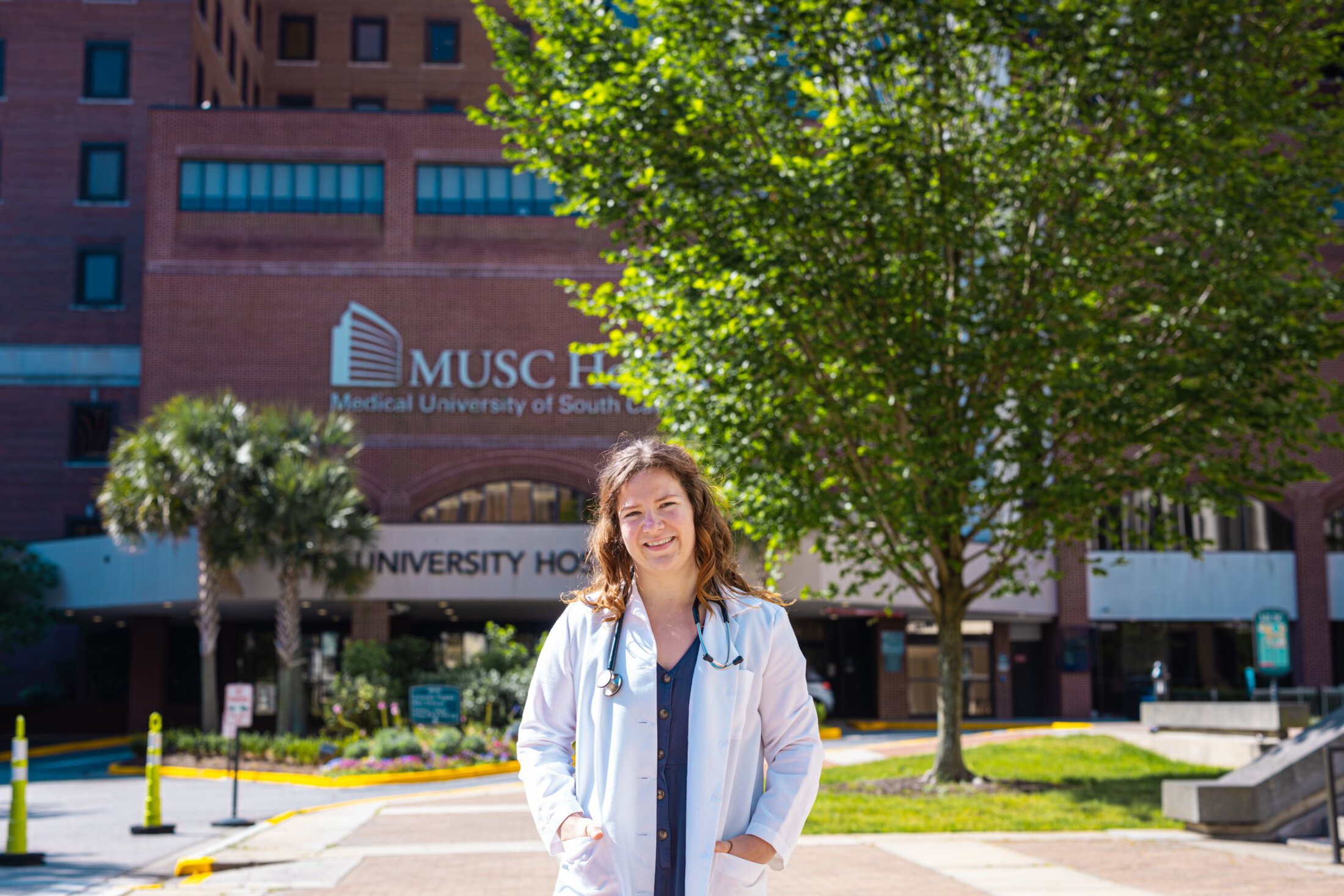
It took Rachel Burge, Ph.D., a recent graduate of the MUSC College of Graduate Studies, four and a half years and many failed attempts to publish her research on pancreatic cancer with a team at MUSC Hollings Cancer Center.
“I worked on a mouse model that just failed and failed and failed,” she said.
Research requires patience, persistence, and resources – all things that ultimately helped Burge move her work forward.
Receiving scholarship support was a turning point for her.
For Burge, an international student from New Zealand, securing those resources was not always easy. Since she hadn’t been published before she entered graduate school, many traditional funding opportunities were out of reach.
Through its long-standing support of cancer research training at MUSC, the Abney Foundation has helped prepare generations of scientists working toward new ways to understand, treat, and ultimately prevent cancer. For Burge, that support was an investment in her potential and in the discoveries she hopes will one day improve care for patients.
“This was this amazing stepping stone,” Burge said.
The impact of donor support
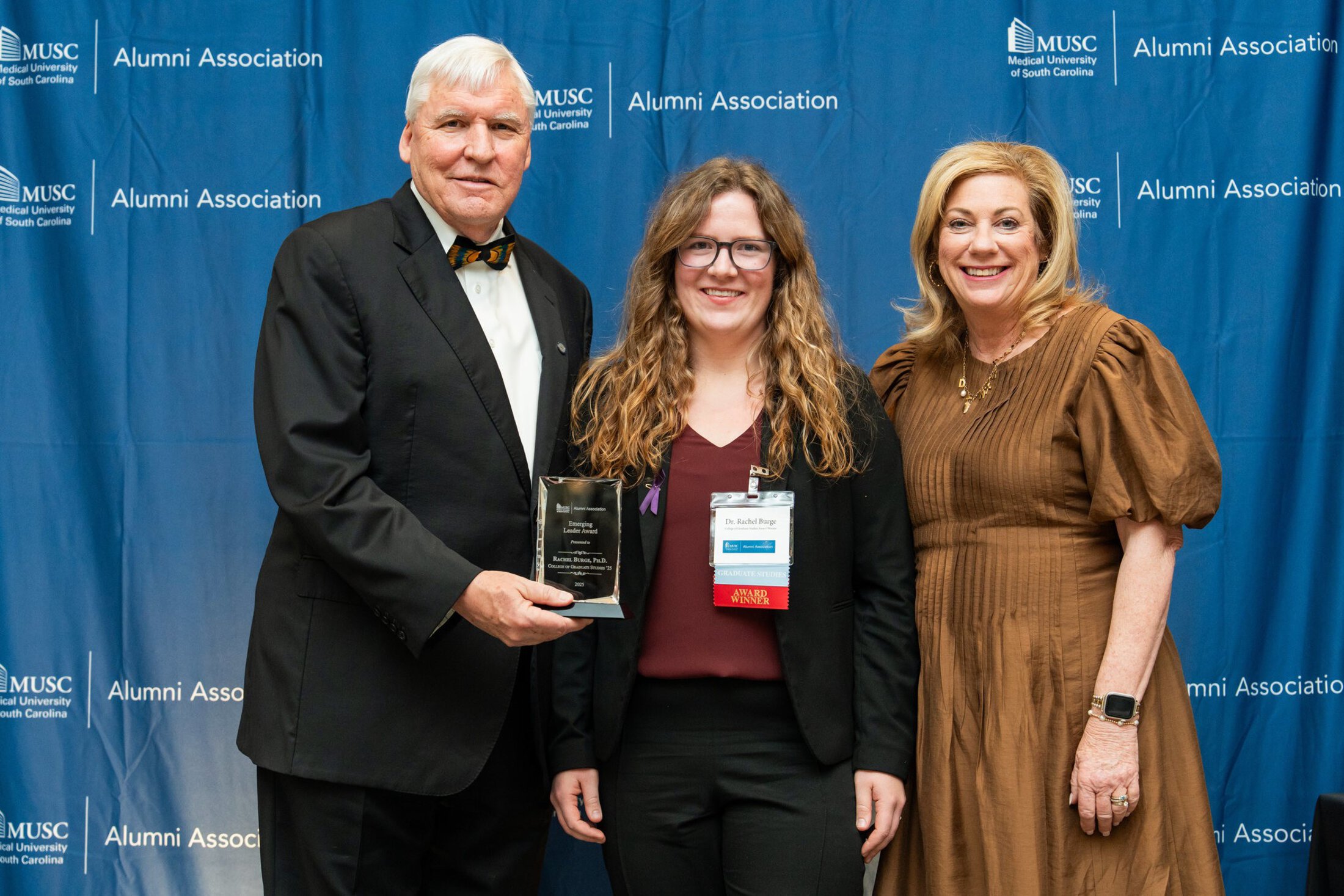
The scholarship allowed her to continue pursuing research that ultimately led to a significant breakthrough focused on one of the most difficult cancers to treat. In January 2026, Burge published findings that helped explain why some pancreatic tumors behave differently from others – an important step toward tailoring treatments based on a patient’s specific cancer.
Discoveries like these help move scientists closer to understanding how to improve options for patients with pancreatic cancer.
“It's amazing to have started in this career right where the field itself is making these incredible steps forward,” she said.
The experience underscored the role donor support can play in helping promising young scientists overcome barriers and pursue research that has the potential to improve patient care.
Collaboration over competition
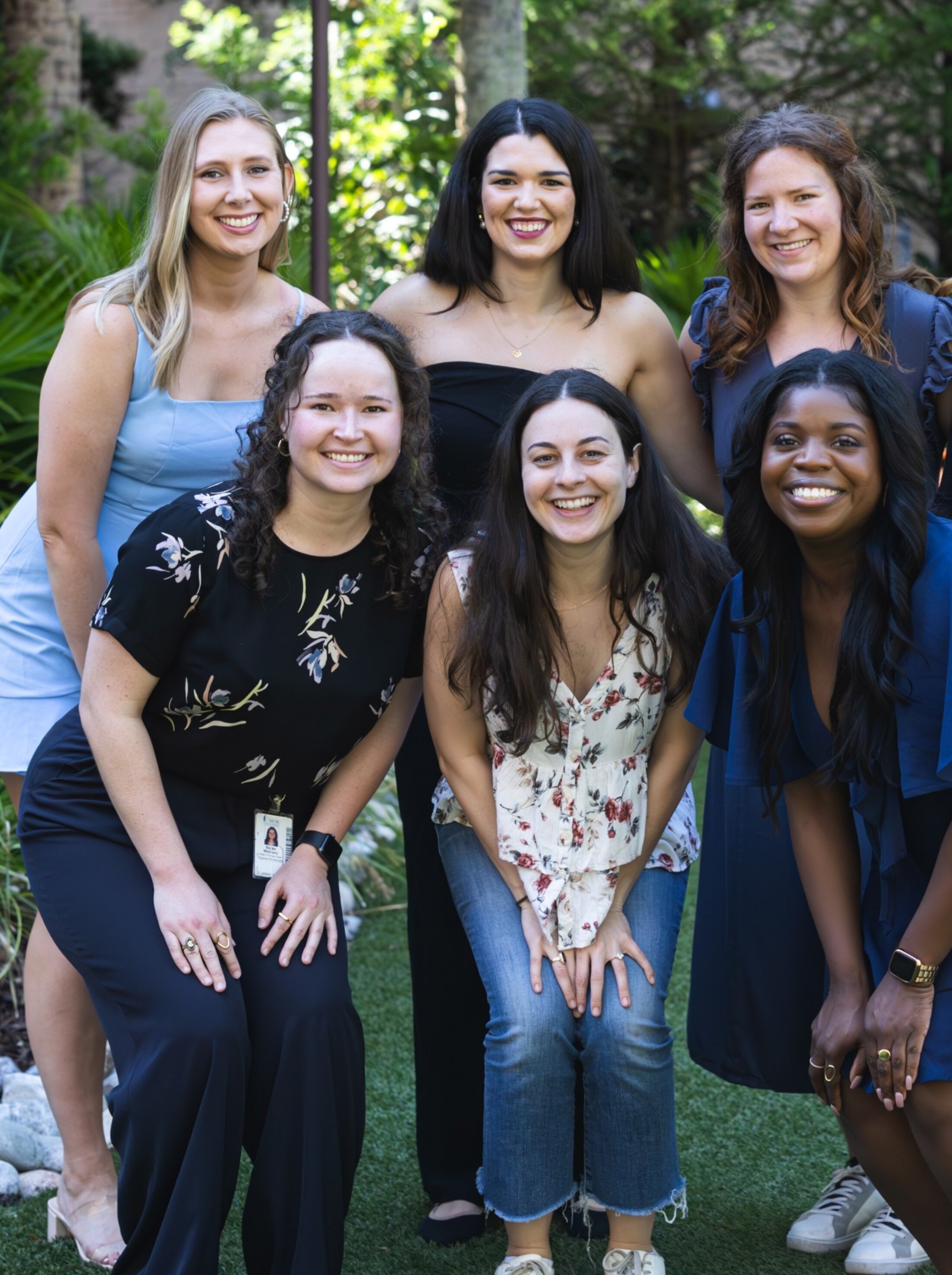
While donor support helped sustain her research, another source of strength came from a group of fellow graduate alumni: the Ph.D. Girls.
Academics can be competitive, especially at the doctoral level. But the Ph.D. Girls (as they call themselves) have chosen collaboration over competition. They have supported each other academically and have each other’s backs whenever self-doubt creeps in, too.
“All of us in that group were very successful,” Burge said. “And I think a large part of it was from just pushing each other up.”
The group's support became especially important when Burge decided to apply to medical school while simultaneously completing her doctoral dissertation. During moments of uncertainty and overwhelm, her friends helped her stay focused on her goals.
Like many modern friendships, their conversations happen mostly in a group chat but have continued in real life, too, at events like weddings and, most recently, commencement!
A future in personalized cancer care
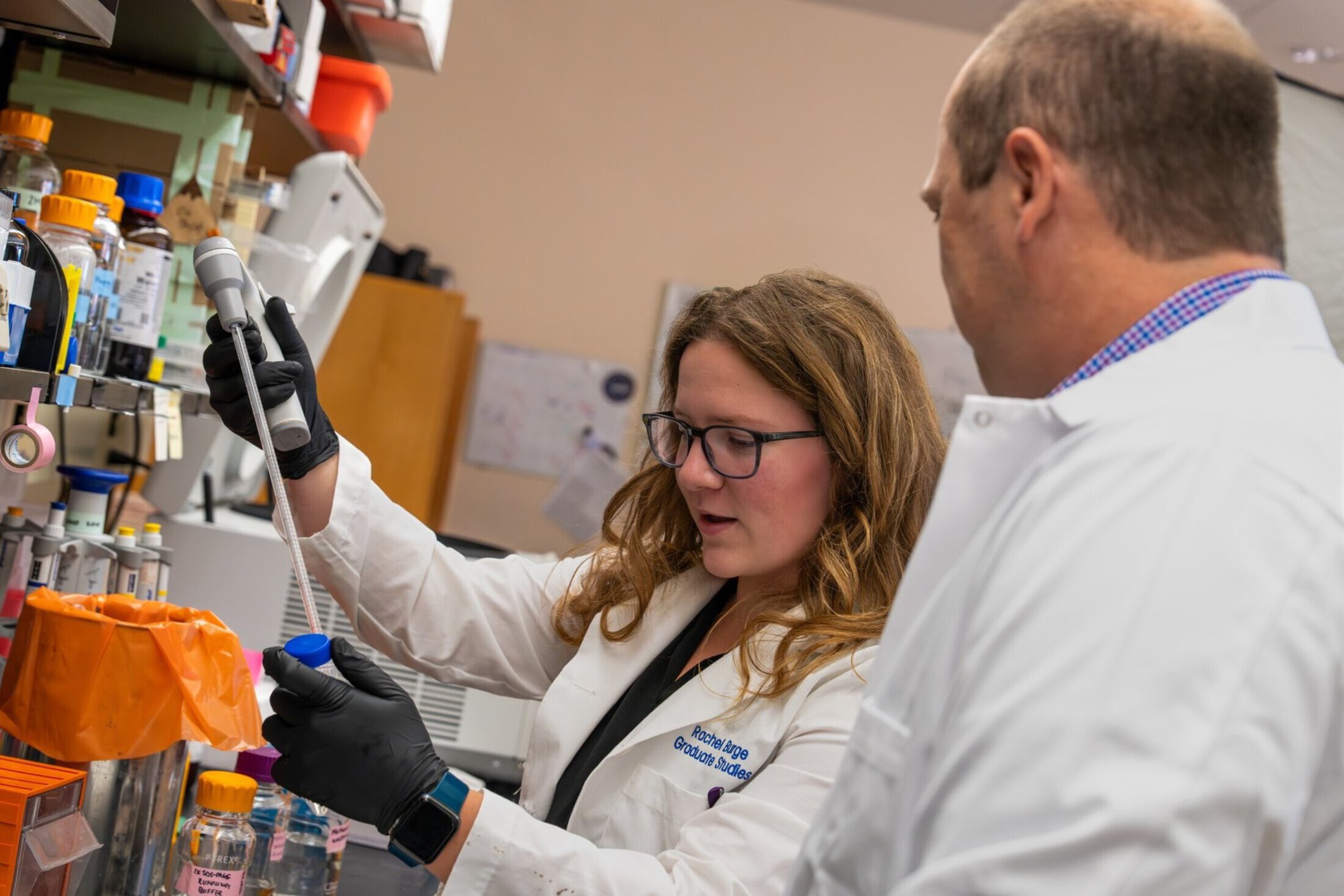
Today, Burge is a medical student at the MUSC College of Medicine, where she plans to continue her work in oncology while she pursues a career as a physician scientist.
Looking back, she sees her achievements as the product of many forms of support: donors who invested in her potential, mentors who guided her research and a personal support system that helped prepare her for the next step – bringing discoveries closer to the patients who need them.

Erica Rodefer
Associate Director of Communications
Recent Giving Impact stories