
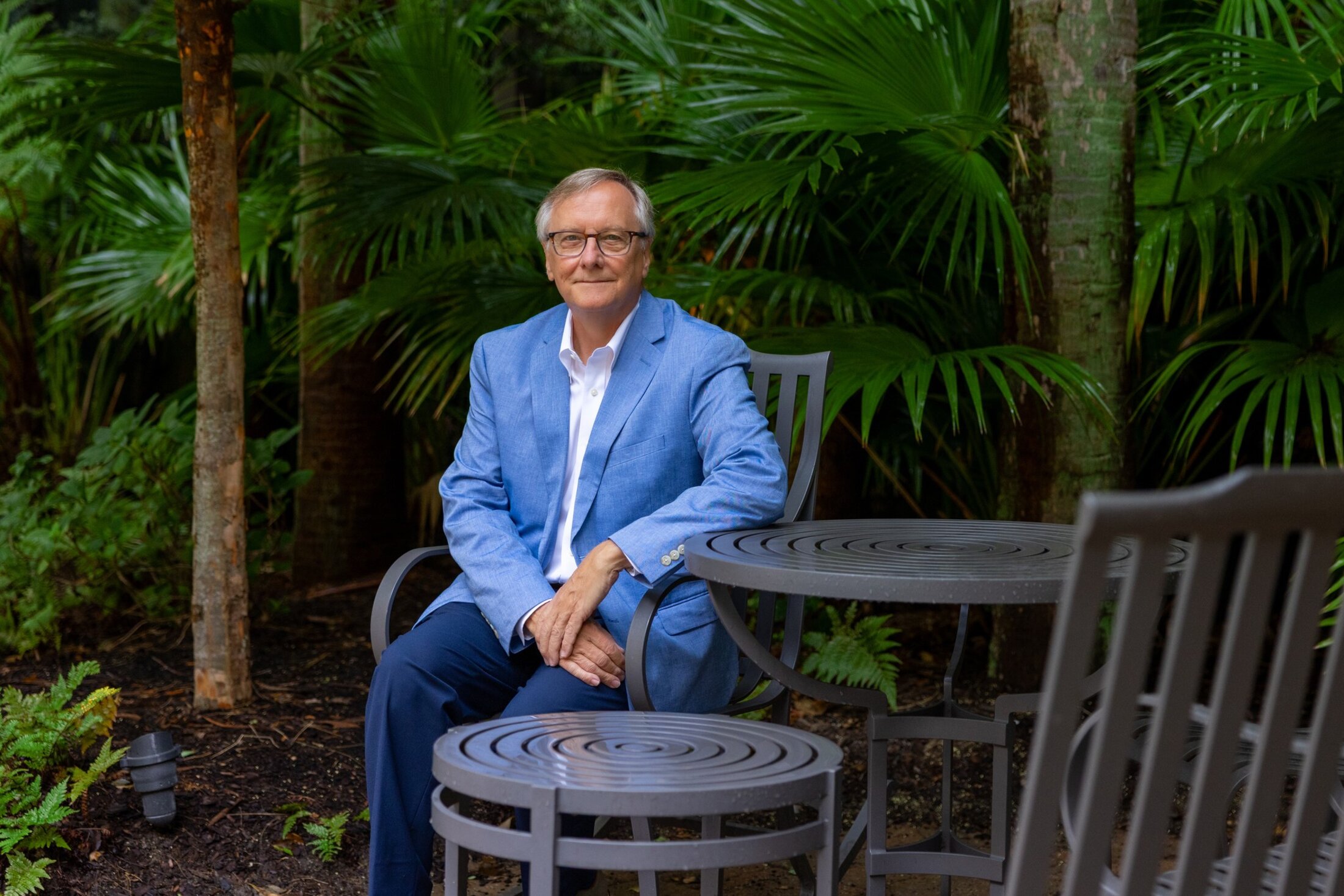
“People ask what I’m doing now that I’m retired. I'm spending as much time as I can fighting the monster in any way I can.”
For Tom Progar, surviving cancer meant finding a new way to fight it.
“When patients walk through the door, they’re bewildered, overwhelmed, afraid, scared, panicked,” Progar said. “If I can help make that transition better for somebody, that's my life mission now.”
A change in plans
Progar had just returned home to Chicago from a business trip when he discovered lumps behind his ear and down his neck.“I really felt nothing up until that day,” he said. Tests revealed cancer had already spread to his lymph nodes, and surgery at Northwestern Hospital was scheduled right away.
Just 10 days earlier, his wife, Geriann, had accepted a position teaching chemistry and anatomy at a Mount Pleasant high school. The couple had been planning to retire in Charleston, where they had a vacation home. Suddenly, retirement – and their move to South Carolina – were arriving much sooner than expected.
When you're a cancer patient and physicians save your life, there's not enough thank-yous in the world.
"They said, 'You need to see this particular physician group at MUSC. That's your best bet,'" Progar said. "They worked with them and set everything up."
A new mission
Finishing treatment wasn't the end of Progar's cancer journey. For him, it marked a new beginning.
“When you're a cancer patient and physicians save your life, there's not enough thank-yous in the world,” he said.
He joined the Hollings Patient and Family Advisory Council (PFAC), a group of patients, survivors and caregivers who work with physicians and staff to improve the patient experience. Their recommendations help shape everything from treatment spaces and family amenities to the patient experience at South Carolina's first dedicated cancer hospital.
“We show our gratitude now in the actions that we take, and that is to be involved as deeply and as widely as we possibly can in the patient experience to make it better for those who come behind us.”
Experience from both sides
Progar brings a perspective few people can offer.
Before his diagnosis in 2018, he spent four decades developing medical technologies used by hospitals around the world. He holds 15 U.S. patents, including technologies that were later used during his own treatment.
"I spent my career developing products," he said. "Products that were used to save my life."
Now, he applies both his professional expertise and his experience as a cancer survivor to the advisory council, helping ensure the voices of families and patients are reflected in the plans for South Carolina's first dedicated cancer hospital.

South Carolina’s first dedicated cancer hospital
Today, many cancer services are spread across MUSC's downtown Charleston campus. When it opens in 2030, the new hospital will bring them together in one place, making it easier for patients and families to navigate their care.
Located next to Rutledge Tower and adjacent to Hollings Cancer Center, the 14-story facility will house inpatient and outpatient care alongside imaging, surgery, chemotherapy, radiation, stem cell and cellular therapies, pharmacy, and supportive care – all under one roof.
Relocating patient care to the new hospital will also allow the current cancer center to become a dedicated cancer research building, making more space for scientists to develop new treatments, expand clinical trials, and bring new discoveries to patients faster.
Our goal is to give South Carolinians access to the same level of comprehensive cancer care they'd expect from the nation's leading cancer centers, without having to leave home.
Expanded research capacity also moves Hollings closer to National Cancer Institute Comprehensive Cancer Center designation, the highest level of recognition awarded by the National Cancer Institute. Achieving that milestone would expand research opportunities and increase patients' access to leading-edge treatments across South Carolina.
“We're creating a destination for cancer care unlike anything South Carolina has seen before,” said Adam Bacik, MHA, chief executive officer of the new cancer hospital. “Our goal is to give South Carolinians access to the same level of comprehensive cancer care they'd expect from the nation's leading cancer centers, without having to leave home."
Bringing care close to home
Jennifer Gross left her home in Lexington, South Carolina, to receive proton therapy for a rare head and neck cancer. She and her husband were able to temporarily relocate to Jacksonville, Florida, for treatment – a privilege she knows many patients don’t have.
That could change for future patients. The new hospital will bring proton therapy to South Carolina for the first time. This targeted form of radiation precisely attacks tumors while helping spare healthy tissue. Patients who today must leave the state for this treatment will be able to receive that care closer to home.
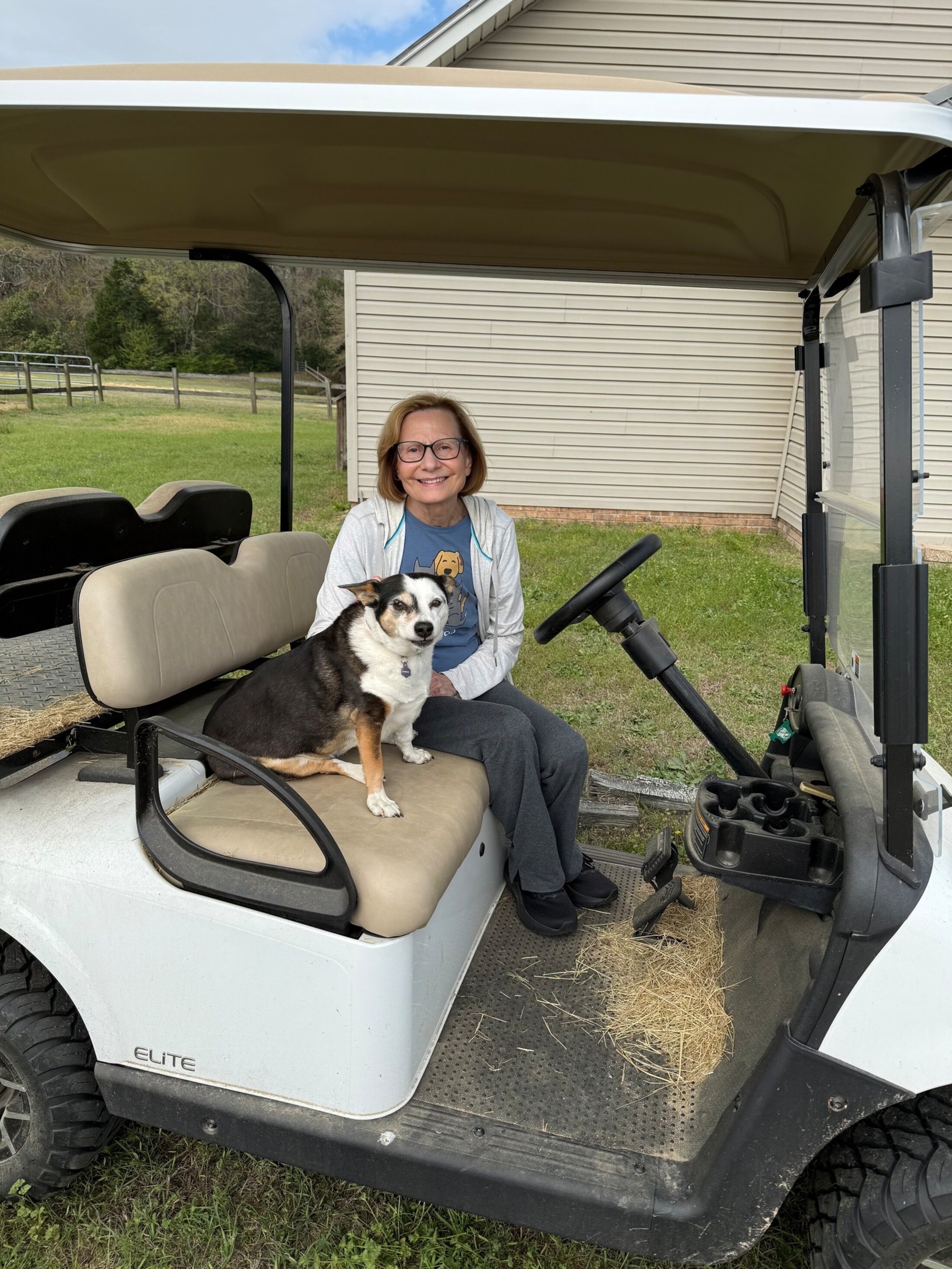
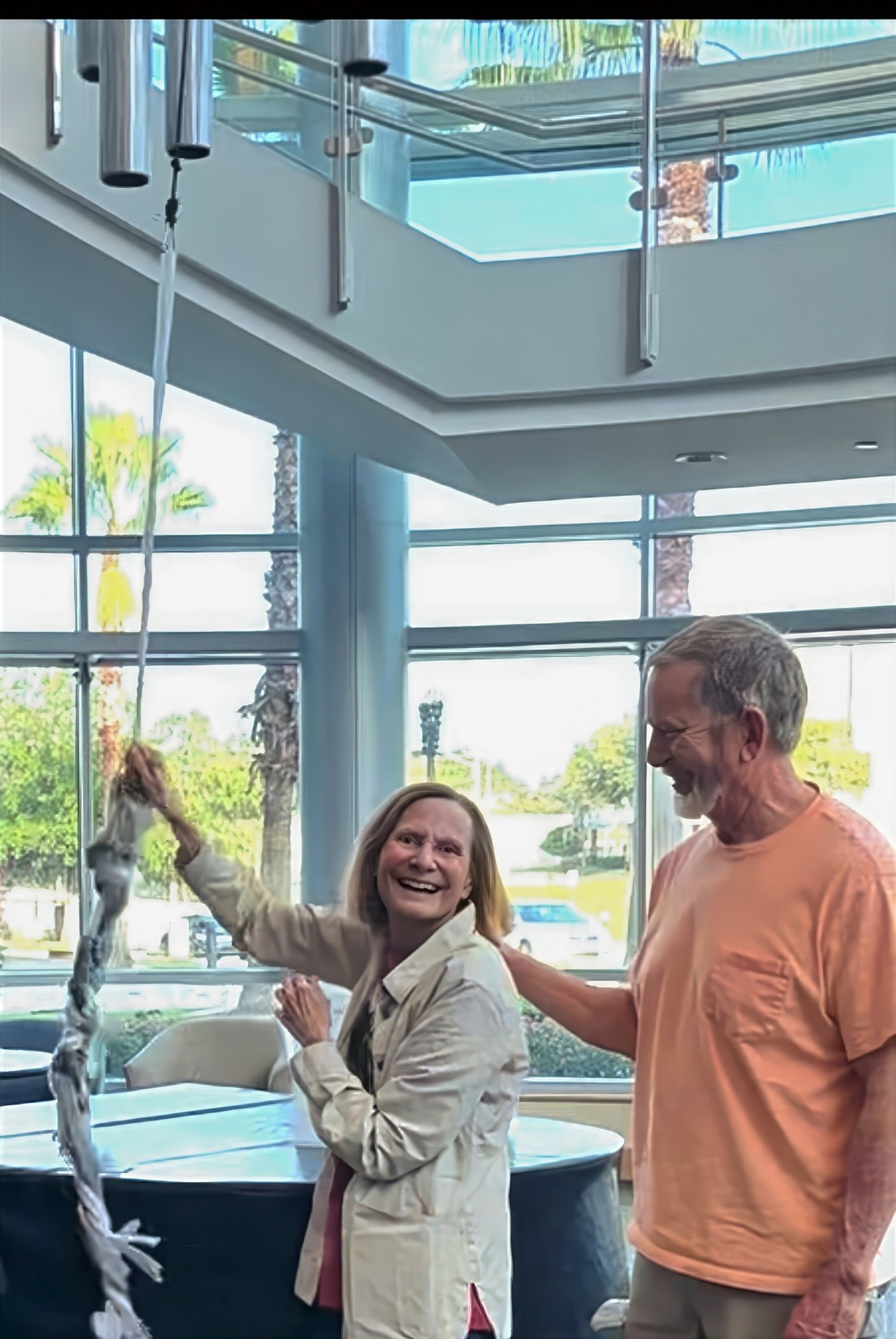
"It would be a lot less stress. A lot less expense. A lot less travel," Gross said. "It really is nice to have everything in one place."
The hospital also is being designed around the entire cancer journey: treatment and everything that supports it. Patients, including Progar, helped shape plans for a dedicated 24/7 cancer urgent care.
"If you're a cancer patient on chemotherapy, your ability to fight infection is compromised," he said. "To come into a busy emergency room with hundreds of other patients puts you at even greater risk. It happened to me on multiple occasions, and I remember saying to my care team, 'There's got to be a better way.'"
It would be a lot less stress. A lot less expense. A lot less travel. It really is nice to have everything in one place.
Meeting an urgent need
The need for that kind of patient-centered care will only continue to grow.South Carolina is projected to see nearly a 30% increase in new cancer cases over the next decade. Combined with rapid population growth and an aging population, demand for cancer care is expected to outpace the state's ability to provide it.
"People with families and people like myself who are thinking about retirement – they're going to come," Progar said. "We've got to be ready for them."
Having worked with leading medical centers across the country for four decades, Progar believes South Carolina has reached the same moment those institutions faced years ago.
"I've been in some of the best facilities, from MD Anderson to Johns Hopkins to Beth Israel," he said. "Those are facilities that made decisions 20 years ago like we're faced with today. This building – this tool – and the people who use it will have a major impact on this state."
“My journey isn’t done. My journey won't be done until the good Lord calls me because this is part of my journey.”

Melissa Varner
Associate Director of Content Strategy
Recent Giving Impact stories